Matador Spinach - Complete Guide Matador

Matador Spinach - Complete Guide

Variety: Matador

Spinacia oleracea

About this Crop

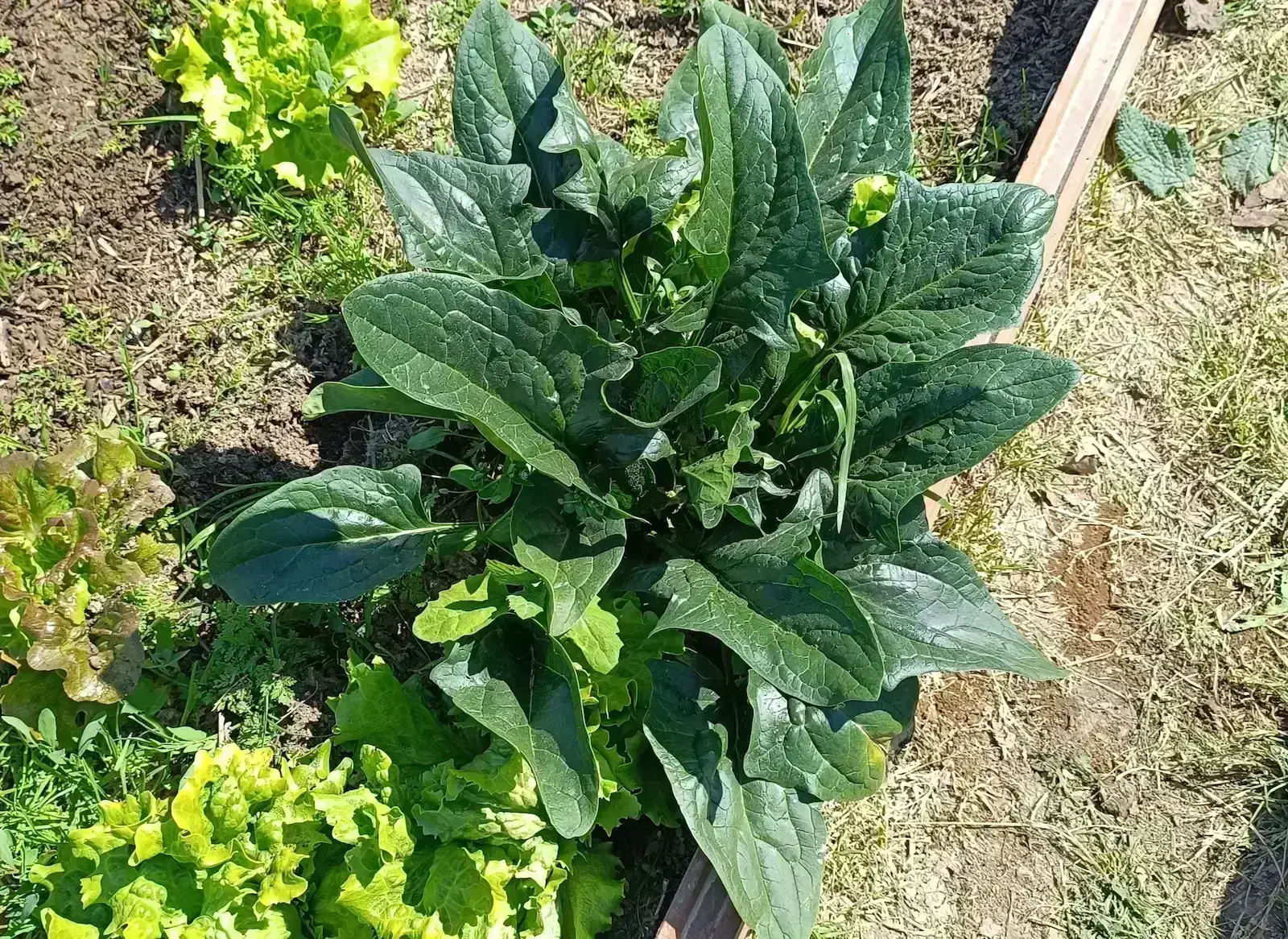
Matador spinach is a classic and highly appreciated variety of Spinacia oleracea, known for its vigorous growth, large dark green leaves, and exceptional resistance to premature bolting compared to other varieties. It belongs to the Amaranthaceae family (formerly Chenopodiaceae), the same as beetroot and Swiss chard.

The leaves are oval, fleshy, glossy, and tender yet firm in texture, with a smooth surface that makes them easy to clean. The plant forms a dense rosette of basal leaves that can reach 20-30 cm in length. It is an annual plant, fast-growing, completing its cycle in 40-50 days from sowing.

The Matador variety stands out for its high tolerance to cold, withstanding light frosts, and its slow bolting in warm temperatures, allowing a longer harvest than other varieties. It is open-pollinated, suitable for both fresh consumption and cooking.

History & Origin

Spinach is native to Persia (modern-day Iran), where it was domesticated over 2,000 years ago. Its name derives from the Persian esfenaj or aspanakh. From Persia, it spread to India and later to China, where it was introduced in the 7th century AD via the Silk Road.

It reached Europe around the 11th century, introduced by the Arabs in the Iberian Peninsula and by the Crusaders in the rest of the continent. During the Middle Ages, spinach became established as an essential vegetable in European monasteries and gardens. In the Renaissance, Catherine de' Medici, a great fan of spinach, popularized its consumption in France, where it became a staple ingredient in cooking.

The Matador variety is a modern open-pollinated selection, developed for its resistance to bolting and its adaptability to different climates, becoming one of the most popular varieties among home gardeners and commercial producers.

Spinach's fame as a source of iron is due to a historical error: a 19th-century German study misplaced the decimal point, indicating 35 mg of iron per 100 g instead of 3.5 mg. Although the error was corrected decades later, the popular belief persists.

Ideal Companions

LettuceRadishOnionLeekPeaStrawberryCorn

Avoid

BeetrootSwiss chardPotato

Superfood

Spinach is known for its high nutritional density and low caloric intake (approximately 23 kcal per 100 g). It is an exceptional source of vitamin K, essential for blood clotting, and vitamin A in the form of beta-carotenes. It also provides vitamin C, vitamin B9 (folic acid) — fundamental in pregnancy — and vitamin B2. In terms of minerals, it stands out for its content of iron (though absorption is limited by oxalates), calcium, potassium, and magnesium. It is rich in fiber and contains lutein and zeaxanthin, antioxidants beneficial for visual health.

Preservation

Spinach is a highly perishable vegetable that should be consumed as soon as possible after harvest. It keeps in the refrigerator for 3 to 5 days in a perforated plastic bag with a damp cloth, at a temperature close to 0°C. It is not recommended to wash it before storing. For longer preservation, it can be blanched (2 minutes in boiling water) and frozen, keeping well for 6-8 months. It can also be consumed in smoothies or creams frozen directly without blanching.

Pest Monitoring

Pay special attention to: Aphid, downy mildew, slug, snail, leaf miner.

FAQ

Why does my spinach become bitter and flower

It is bolting, caused by high temperatures (above 25°C), long days, or water stress. The Matador variety is more resistant than others but not immune. Sowing in cool seasons and keeping the soil moist helps delay it.

Can it be grown in a pot

Yes, spinach adapts well to pots at least 20 cm deep. It needs nutrient-rich substrate and regular watering. The Matador variety, with its compact habit, is ideal for this purpose.

The leaves have white spots, what is it

Probably downy mildew (peronospora), a fungus that appears with high humidity and poor ventilation. Improving air circulation, avoiding overhead watering, and respecting planting distances helps prevent it.

Is it true that spinach has a lot of iron

Spinach contains iron (about 2.7 mg/100 g), but its absorption is limited by the oxalates it contains. Combining it with vitamin C (lemon, orange) improves its absorption. The myth of high content was born from a 19th-century scientific error.

Notas

Matador spinach is one of the most versatile and reliable varieties for the home garden, both in spring and autumn-winter seasons. Its resistance to bolting makes it especially valuable in temperate climates. Spinach contains oxalates, compounds that can interfere with calcium and iron absorption; people prone to kidney stones should moderate their consumption. The popular saying that spinach gives strength was popularized by the character Popeye the Sailor (1930), which drove a 33% increase in spinach consumption in the United States.