Red Curly Scarlett Kale Red Curly Scarlett

Red Curly Scarlett Kale

Variety: Red Curly Scarlett

Brassica oleracea var. acephala

About this Crop

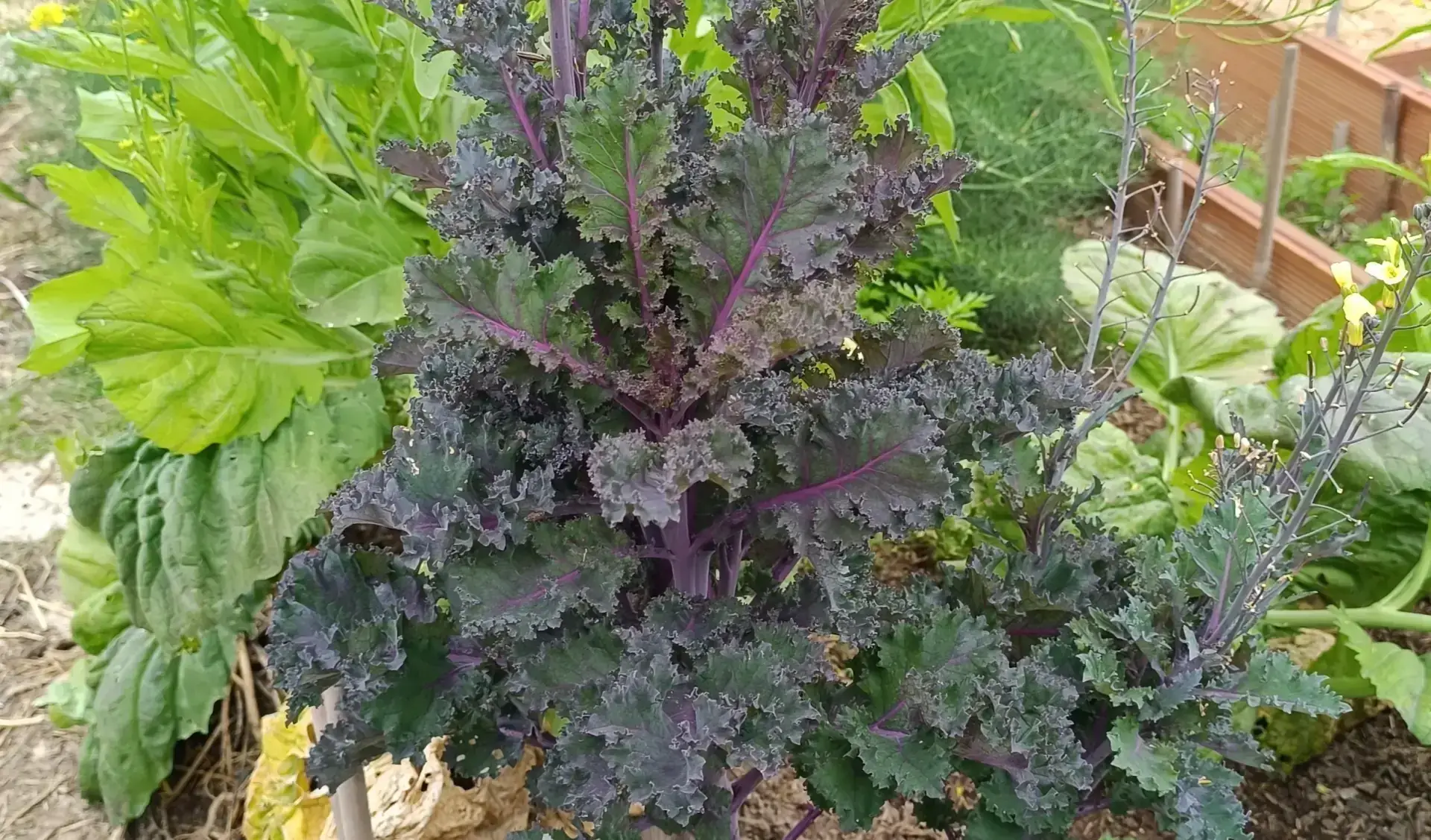
Red Curly Scarlett kale (also known as Scarlet kale) is a kale variety of extraordinary ornamental and culinary value, famous for its intensely curly leaves of dark green with veins and stems of a striking reddish-purple color. It is one of the most eye-catching and sought-after kale varieties for both garden and landscape.

It belongs to the Brassicaceae family, the same as broccoli, cauliflower, and cabbage. It is a biennial plant grown as an annual, with an upright habit reaching 40-60 cm in height. Its leaves are deeply crinkled and curly, with a rough, firm texture, and a color ranging from dark purplish-green to intense purple, especially in the veins and stems.

The red-purple color is due to the presence of anthocyanins, powerful antioxidants that also color other plants such as red cabbage. This color intensifies with cold temperatures and light frosts, which also improve its flavor making it sweeter. It is an extremely cold-resistant plant, withstanding frosts down to -15°C. Its dual function as an edible vegetable and ornamental plant makes it one of the most popular kale varieties.

History & Origin

Red Curly Scarlett kale is a modern selected variety for its ornamental value as well as culinary. Curly kale (Brassica oleracea var. acephala) has its origins in ancient leaf cabbage varieties cultivated in Europe since classical antiquity, being a staple food in peasant diets for centuries.

Purple or red kale varieties are the result of natural and artificial selections that have enhanced the presence of anthocyanins, the same pigments that give color to red cabbage, eggplants, and blueberries. Although curly kale has traditionally been grown in Scotland, Germany, and the Netherlands, where it was a winter subsistence crop, red ornamental varieties gained popularity in the United Kingdom and United States from the 20th century onwards, when gardeners began to appreciate their aesthetic value as well as culinary.

In recent decades, red kale has experienced a boom as both a superfood and ornamental plant, appearing in organic gardens and design landscapes alike. Its versatility and spectacular color have made it one of the most photographed and shared kales on horticultural social media.

Ideal Companions

NasturtiumMarigoldDillGarlicOnionLeekGreen beanSweet alyssum

Avoid

CabbageBroccoliCauliflowerBrussels sproutsStrawberry

Superfood

Red kale shares the exceptional nutritional profile of other kales, with the added value of anthocyanins, antioxidant pigments that give it its characteristic color and have been linked to cardiovascular health benefits and inflammation reduction. It is exceptionally rich in vitamin K and vitamin A (beta-carotenes), and an excellent source of vitamin C, fiber, calcium, iron, and potassium. Its antioxidant content is higher than green kale due to the presence of anthocyanins.

Preservation

Leaves keep in the refrigerator for 5 to 7 days in a perforated plastic bag with a damp cloth. For longer preservation, they can be blanched (2-3 minutes) and frozen, keeping up to 8 months. They can also be made into crispy oven-baked chips that keep for weeks in an airtight container. As an ornamental variety, the leaves can also be used in floral arrangements and plate decoration.

Pest Monitoring

Pay special attention to: Aphid, caterpillar, flea beetle, downy mildew, slug.

FAQ

Does the red color stay all year

The purple color intensifies with cold and frost. In midsummer or warm climates, the red tones may fade and the leaves become greener. The color is most intense in autumn and winter.

Can it be used as an ornamental plant

Yes, it is one of the most ornamental kale varieties. Its curly purple leaves make it ideal for borders, decorative pots, and winter gardens, combined with seasonal flowers.

Does it taste different from green kale

The flavor is similar to green curly kale, although slightly milder and sweeter, especially after frosts. Anthocyanins do not significantly alter the flavor.

Are the seeds hard to find

It is a popular variety and is easily found in organic seed catalogs and specialty stores, both online and at garden centers.

Notas

Red Curly Scarlett kale is one of the most rewarding and versatile varieties for the home garden: it grows well in almost any temperate climate, withstands intense frosts, beautifies the garden throughout winter, and provides nutritious leaves for months. Its purple color comes from the same anthocyanins that make red cabbage a natural anti-inflammatory food. It is an excellent choice for those who want to introduce color into the winter garden without sacrificing harvest.