Dwarf Multicoloured Corn - Complete Guide Dwarf multicoloured ornamental group

Dwarf Multicoloured Corn - Complete Guide

Variety: Dwarf multicoloured ornamental group

Zea mays L.

About this Crop

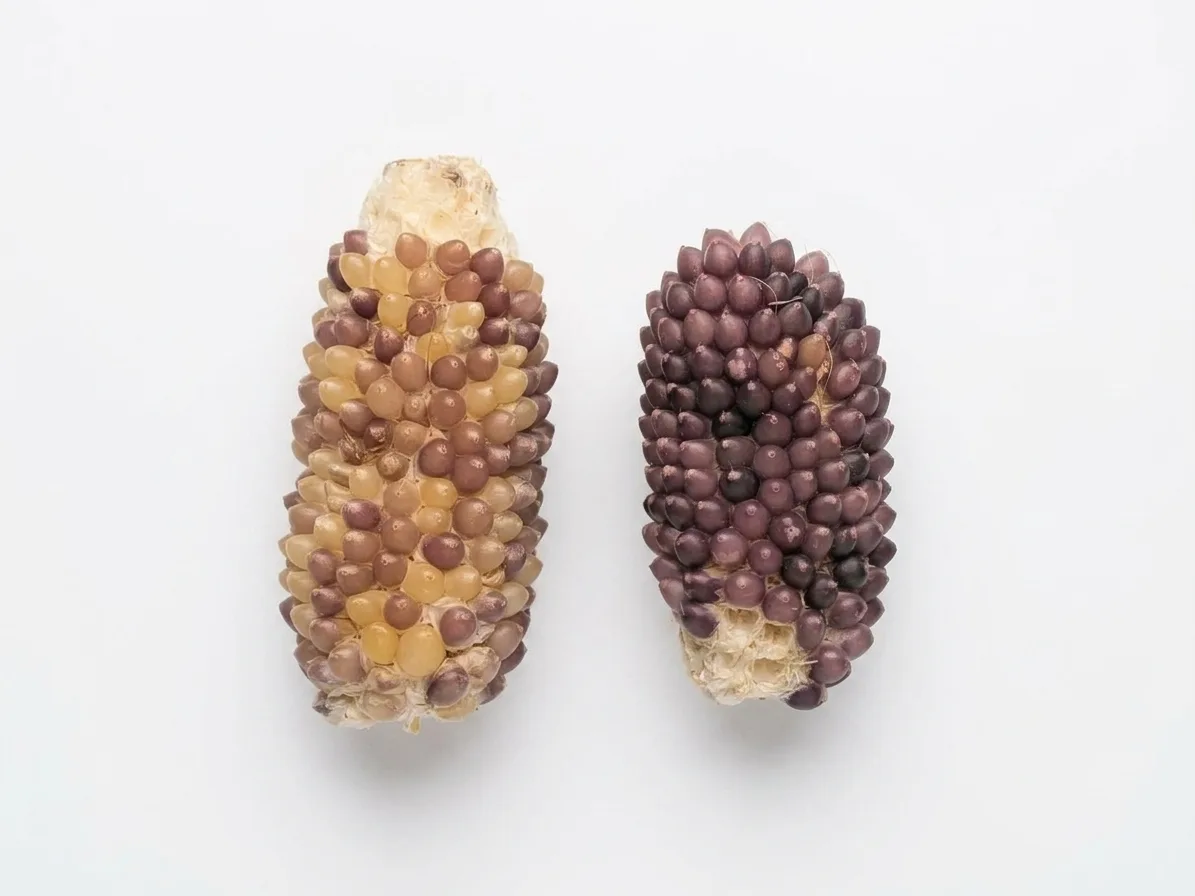
Dwarf multicoloured corn is a commercial name for Zea mays selections with short plants or small ears whose kernels mature in several colours. It is not one cultivar: plant size, ear shape, kernel colour, and final use vary by seed lot.

Ornamental plants may reach 60 to 150 cm, with long arching leaves, brace roots, and one or more ears protected by husks. Kernels may be red, yellow, white, purple, black, or mottled. It is an annual crop that needs warmth.

History & Origin

Corn was domesticated in Mesoamerica from teosinte and became a foundational American crop. Its diversity includes fresh, flour, popcorn, fodder, and ornamental types. Multicoloured ears reflect selection by many American peoples and do not represent one race or region. Ornamental corn became popular for long-lasting autumn decoration; “dwarf” is a commercial description, not a formal botanical category.

Ideal Companions

PumpkinCucumberBeanSunflowerCalendulaFrench marigold

Avoid

Shadedrought during floweringlarge monoculturesbeds with diseased corn

Superfood

There is no single nutritional profile because the name covers ornamental, popcorn, and dry-grain types. Dry corn mainly provides starch, fibre, and some protein, but ornamental corn is not edible by default.

Preservation

For decoration, leave ears on the plant until husks and kernels are dry. Cut them on a dry day and finish drying in a ventilated place. Store away from insects and moisture. Consume only when the supplier confirms food or popcorn use and no ornamental treatment was applied.

Pest Monitoring

Pay special attention to: Corn borer, wireworm, cutworm, aphid, common smut, rust.

FAQ

**Is it edible?** Only when identified as food-grade and untreated.
**Why did it fail to germinate?** Cold soil, old seed, excess moisture, or planting too deeply.
**Does it need cross-pollination?** Wind pollination is improved by growing blocks of plants.
**Can it grow in a pot?** Yes, with a large container, frequent watering, and several plants.

Notas

Kernel colours can change during drying and vary between ears. Saved seed depends on pollen from nearby corn. Place corn on the north side of a bed so it does not shade low crops.