Zapalote Grande Corn - Complete Growing and Care Guide Zapalote Grande

Zapalote Grande Corn - Complete Growing and Care Guide

Variety: Zapalote Grande

Zea mays

About this Crop

Zapalote Grande corn (Zea mays) is one of the traditional maize landraces of southeastern Mexico, belonging to the Poaceae (grass) family. It is classified within the Tropical Dents group and originates from the Isthmus of Tehuantepec region (Oaxaca) and parts of Chiapas. It is an emblematic variety of Zapotec culture, where it has been cultivated for centuries as a staple food.

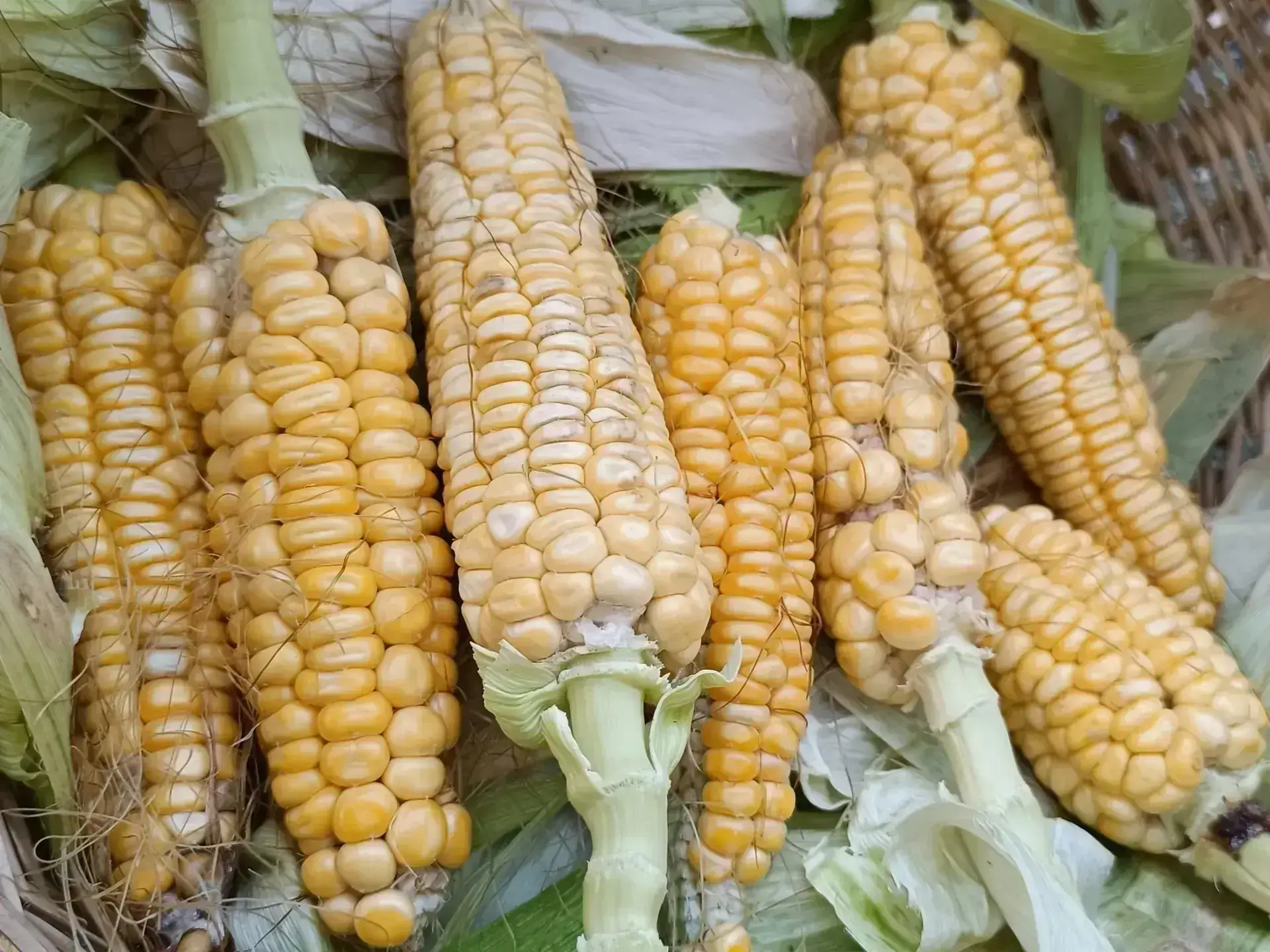
It is an intermediate to medium-sized plant, reaching between 1.8 and 2.4 meters in height, with sturdy stalks and long, broad, lanceolate leaves of deep green color. Each plant produces 1 or 2 ears of short size and slightly cylindrical shape, with rows of white dented kernels (although yellow and blue variants exist). The dented texture of the kernel, with a characteristic depression at the crown, is the defining trait of this racial group.

Its growing cycle is intermediate to early, completing in approximately 110 to 120 days from sowing to harvest. It is a landrace well adapted to warm and semi-humid conditions, from sea level up to 1,200 meters in altitude, making it especially resistant to heat stress.

History & Origin

Zapalote Grande corn is a landrace derived from Zapalote Chico, another traditional landrace from southeastern Mexico, with probable introgression of germplasm from the Tehua landrace of Chiapas. It belongs to the Tropical Dents group, maize adapted to the warm and humid conditions of the Mexican lowlands.

Its center of diversity is in the Isthmus of Tehuantepec (Oaxaca), a region of great cultural and historical importance. The Zapotecs and other indigenous peoples of the Isthmus have cultivated this corn for centuries as a fundamental part of their milpa agricultural system, where corn grows in association with beans, squash, and other useful plants.

Zapalote Grande is the soul of one of Oaxaca's most emblematic gastronomic products: Isthmus totopos. These crispy tortillas, baked in a comixcal (traditional clay oven), are a symbol of regional identity and a pillar of the local economy. The unique characteristics of the kernel —its dented texture and its response to nixtamalization— make it particularly suitable for this preparation.

Despite pressure from commercial hybrids, Zapalote Grande continues to be cultivated by traditional farmers of the Isthmus, who keep alive one of the most valuable landraces of Mexico's biocultural heritage. Its conservation is also a form of cultural resistance against agricultural homogenization.

Ideal Companions

BeanSquashSunflowerCalendulaNasturtiumPea

Avoid

CeleryBeetrootFennelOther corn varieties

Superfood

Zapalote Grande corn shares the nutritional profile of tropical dent maize: it is rich in complex carbohydrates (approximately 70%), protein (8-10%), and fiber. It provides B-group vitamins (especially thiamine and niacin), magnesium, phosphorus, and potassium. Per 100 g of dried grain, it provides approximately 360 kcal. It is naturally gluten-free. Nixtamalization (cooking the grain with lime) is essential to release niacin and improve nutrient bioavailability, a Mesoamerican technique that remains essential in preparing this corn.

Preservation

Ears are left to dry on the plant until the husks (totomoxtle) are completely brown and dry. Once harvested, they are hung in a dry, dark, and well-ventilated place for 3 to 4 weeks to complete drying. Dried kernels keep in airtight containers, in a cool, dry place, for several years. To avoid storage pests such as weevils, grain moisture must be below 13%. Traditionally in the Isthmus, corn is stored in elevated granaries that allow air circulation. To save seed, label with the year and variety, and select the healthiest, most representative ears.

Pest Monitoring

Pay special attention to: Aphid, fall armyworm, corn borer, whitefly, spider mite, rust.

FAQ

What is the difference with Zapalote Chico

Zapalote Grande has more robust plants, slightly thicker ears, and a somewhat longer maturity cycle than Zapalote Chico. Both share the region of origin and culinary uses, but Grande tends to prefer deeper soils.

Can it be grown in cold climates

Not recommended. It is a tropical lowland landrace adapted to warm conditions. It does not tolerate frost and suffers below 10 °C. In temperate climates, it should only be sown when nighttime temperatures exceed 15 °C.

Why is it special for making totopos

The dented texture of its kernel and its starch composition provide, after nixtamalization, a dough with the ideal elasticity and consistency to make Isthmus totopos. Not all corn varieties work for this purpose: Zapalote Grande has the precise characteristics that Zapotec tradition has selected over generations.

Is it the same as Chapalote corn

No. Chapalote is a landrace from northwestern Mexico (Sonora and Sinaloa), from the Chapalote group, with brown crystalline kernels and elongated ears. Zapalote Grande is from the southeast (Oaxaca), from the Tropical Dents group, with white dented kernels. They are completely different landraces, adapted to different ecosystems.

Notas

Zapalote Grande corn is more than a crop: it is a living biocultural heritage of the Isthmus of Tehuantepec. Each white dented kernel carries in its genetics centuries of Zapotec selection, and each totopo baked in a comixcal is the expression of a tradition that refuses to disappear. Growing Zapalote Grande in our garden is an act of connection with one of Mexico's most fascinating cultures and a gesture of defense of global agricultural diversity. Moreover, its intermediate stature and good yield make it an excellent choice for home gardens in warm climates, where other corn varieties may suffer heat stress.