Lemon Balm (Melissa officinalis) - Growing, Care and Properties Guide Common

Lemon Balm (Melissa officinalis) - Growing, Care and Properties Guide

Variety: Common

Melissa officinalis

About this Crop

Lemon balm (Melissa officinalis), also known as bee balm or sweet balm, is a perennial herbaceous plant of the Lamiaceae family, the same as mint, sage and rosemary. It is famous for its intense citrus-lemon aroma and its calming and digestive properties, recognised since ancient times.

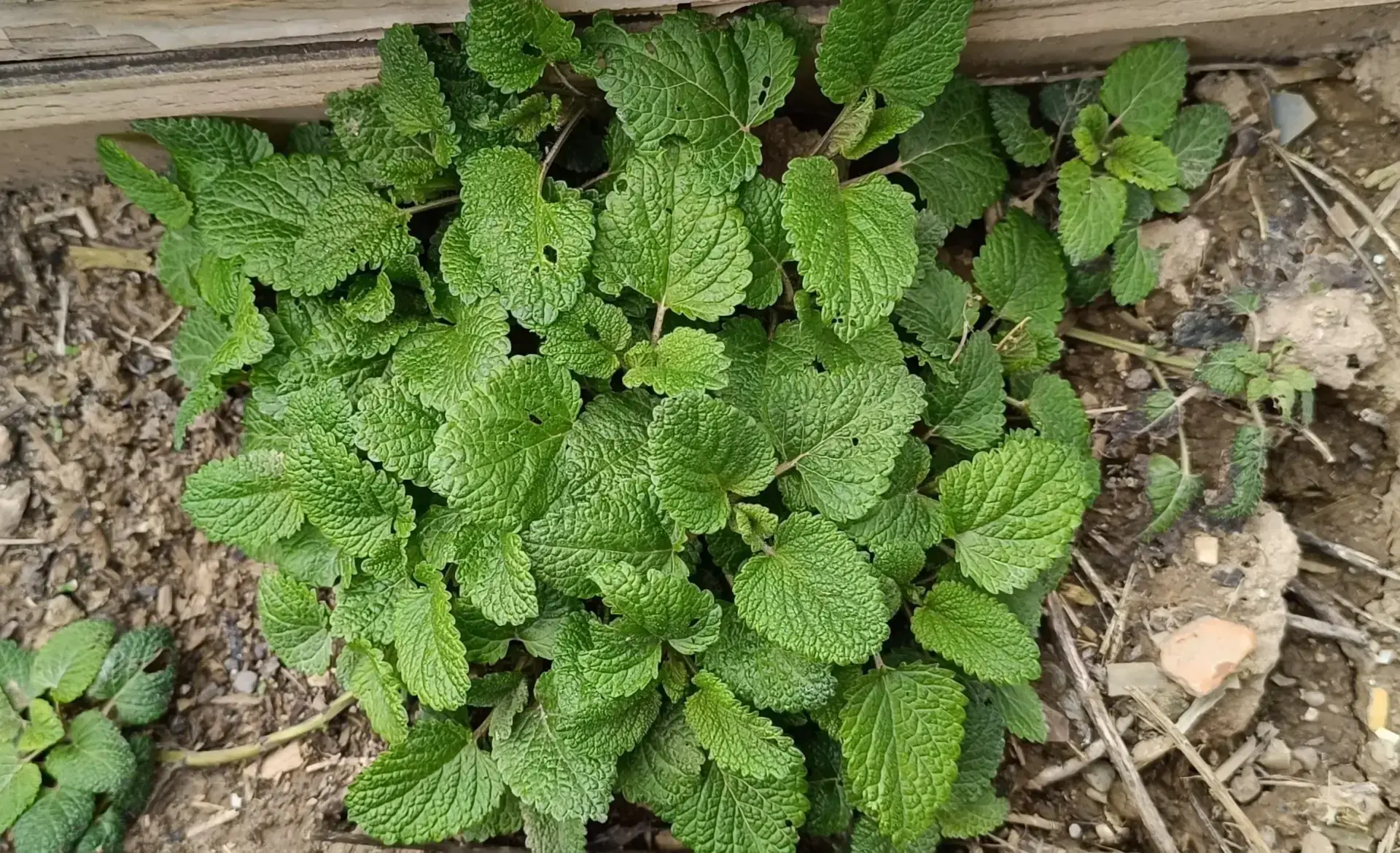
It forms dense, branched clumps 40 to 90 cm tall, with erect, square-sectioned stems (typical of Lamiaceae). The leaves are opposite, petiolate, oval and toothed, bright green, with a soft, slightly rough texture. When rubbed, they release an intense lemon scent due to the essential oils they contain (citral, citronellal, geraniol and linalool). In summer it produces small white or pink flowers in whorls, much visited by bees and pollinators.

It is a rustic and vigorous plant that spreads via underground rhizomes, and can become invasive if not controlled. It is cold-resistant (withstands down to -15 °C) and can be grown both in the garden and in pots. Its generic name Melissa comes from Greek and means "bee", referring to the attraction it exerts on these insects.

History & Origin

Lemon balm is native to the Mediterranean region, North Africa and western Asia, where it has been used for over 2,000 years. Its name Melissa comes from ancient Greek μέλισσα (mélissa), meaning "bee", because Greek beekeepers already planted lemon balm near hives to attract bees.

The Greek physician and botanist Dioscorides (1st century AD) already recommended lemon balm in his work De Materia Medica for digestive problems, insect bites and as a tranquilliser. The Romans introduced lemon balm to the rest of Europe. Charlemagne ordered its cultivation on all imperial estates in his Capitulare de Villis (795 AD).

In the 16th century, the Swiss alchemist and physician Paracelsus prepared Aqua Melissae (lemon balm water), which he considered the "elixir of life". The Carmelite Water (Eau de Mélisse des Carmes), created in 1611 by Carmelite monks in Paris, is still manufactured today and famous for its digestive and calming properties.

Ideal Companions

TomatoPepperMelonCabbageBroccoliThymeRosemaryLavenderFruit trees

Avoid

BasilWormwoodRue

Superfood

Lemon balm is valued mainly for its essential oils and bioactive compounds rather than its nutritional profile. It is rich in rosmarinic acid, caffeic acid, flavonoids (such as luteolin and quercetin) and tannins, all with antioxidant and anti-inflammatory properties. It contains citral, citronellal and geraniol, responsible for its aroma and calming effects. It has traditionally been used for its sedative, digestive, antispasmodic and antiviral properties (especially against herpes simplex virus).

Preservation

Fresh lemon balm leaves keep in the fridge for 3 to 5 days wrapped in a damp cloth inside a plastic bag. For long-term storage, they can be dried by hanging in bunches in a dark, dry, ventilated place — dried lemon balm retains its aroma well for months. They can also be frozen whole or chopped in water or oil ice cubes. Fresh leaves are always more aromatic than dried ones.

Pest Monitoring

Pay special attention to: Aphid, red spider mite, powdery mildew, slug.

FAQ

Is lemon balm the same as lemongrass

No. Lemon balm (Melissa officinalis) and lemongrass (Cymbopogon citratus) have similar aroma but are different plants. Lemon balm belongs to the mint family with broad leaves, while lemongrass is a grass with long, narrow leaves.

Can it be grown in pots

Yes, it's ideal for pots as this helps control its invasive spread. Needs a pot at least 25 cm in diameter, fertile substrate and regular watering.

Why does my lemon balm have yellow leaves

Could be due to overwatering (waterlogged soil), lack of nutrients, or excessive sun exposure in warm climates. Also a symptom of mildew or root rot from poor drainage.

How often should it be watered

Lemon balm prefers slightly moist but not waterlogged soil. Water when the soil surface is dry to the touch, approximately every 2-3 days in summer and every 5-7 days in winter.

Notas

Lemon balm is one of the most versatile and easy-to-grow medicinal plants, ideal for beginners. Its citrus aroma acts as a gentle natural mosquito repellent. Being a perennial plant, it provides aromatic leaves all year round in temperate climates and attracts beneficial bees and pollinators to the garden. Due to its spreading tendency, it's advisable to dedicate a bounded space or keep it in a pot. Sowing depth is 0 cm because the seeds need light to germinate.