Cantaline Melon - Complete Growing and Care Guide Cantaline

Cantaline Melon - Complete Growing and Care Guide

Variety: Cantaline

Cucumis melo

About this Crop

The Cantaline melon is a modern hybrid resulting from the cross between two classic melon groups: the Cantaloupe (Cucumis melo var. cantalupensis or reticulatus) and the Honeydew (Cucumis melo var. inodorus). It combines the best of both parents: the intense musky aroma and sweetness of the cantaloupe with the firm, crisp texture and refreshing juiciness of the honeydew.

It belongs to the cucurbit family, the same as cucumber, pumpkin, and watermelon. It is an annual herbaceous plant with a trailing or climbing habit, with long, angular stems that spread over the ground, equipped with tendrils. The leaves are large, orbicular, and lobed, of an intense green color. It produces yellow unisexual flowers (male and female) that require insect pollination, primarily by bees.

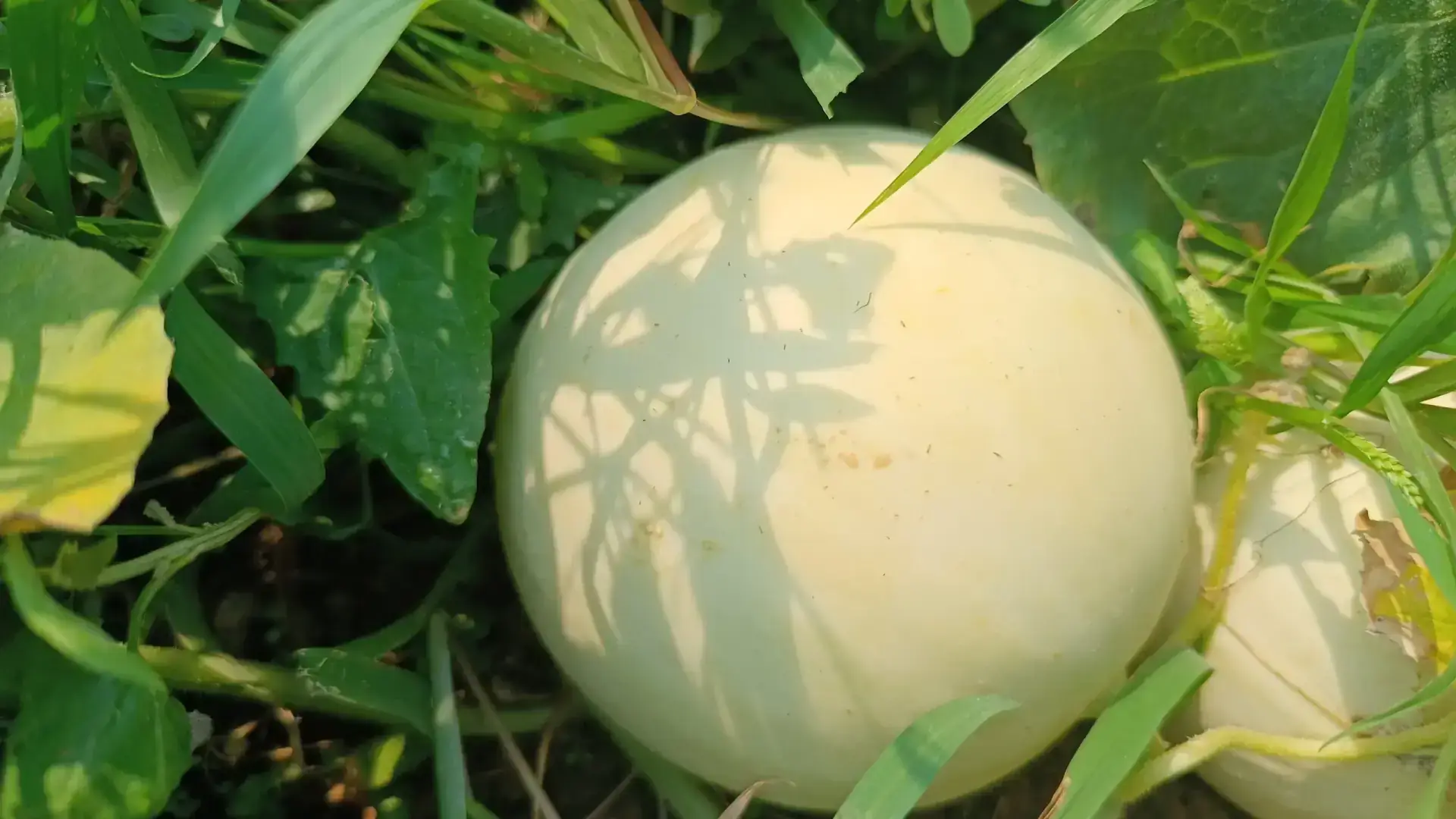
The fruits are medium to large in size (1-2 kg), with an oval or slightly flattened shape. The skin features a characteristic netting inherited from the cantaloupe, though softer, over a light green to beige background. The flesh is dense, juicy, and buttery in texture, with a color ranging from orange-salmon to light green, depending on the degree of influence from each parent. Its flavor is intensely sweet, with floral notes and a refreshing finish.

History & Origin

The Cantaline melon is a modern hybrid that represents the evolution of melon cultivation towards the pursuit of more complex flavors. The species Cucumis melo is native to the tropical and subtropical regions of East Africa and Southwest Asia, where it has been cultivated for over 4,000 years.

The Cantaloupe group takes its name from the town of Cantalupo in Sabina, near Rome (Italy), where these varieties were grown in the papal gardens during the 18th century. They were introduced from Armenia, hence the scientific name cantalupensis. The Honeydew group, on the other hand, descends from the French White Antibes melons, selected for their green, sweet flesh, and were popularized in the United States in the early 20th century.

The cross between both groups is a relatively recent phenomenon, driven by genetic improvement programs in the second half of the 20th century. The best-known example is the Galia melon, developed in Israel in the 1970s and now cultivated worldwide. The Cantaline follows the same philosophy: combining the aroma and sweetness of the cantaloupe with the firm texture and long shelf life of the honeydew, creating a melon that satisfies the most demanding palates.

Ideal Companions

CornRadishMarigoldNasturtiumOreganoSunflower

Avoid

MelonCucumberZucchiniWatermelonPumpkinPotato

Superfood

The Cantaline melon is a very low-calorie food (approximately 30 kcal per 100 g) and an excellent hydrator, with over 90% water content. It is rich in vitamin C, which strengthens the immune system, and in vitamin A as beta-carotenes (especially in orange-fleshed varieties). It provides potassium, an essential mineral for muscle and cardiovascular function, and fiber, which promotes intestinal transit. It contains antioxidants such as cryptoxanthin, lutein, and zeaxanthin, beneficial for eye health.

Preservation

Cantaline melons keep at room temperature (not refrigerated) for 3 to 5 days after harvest, in a cool, dry place. Once cut, they should be stored in the refrigerator wrapped in plastic wrap for 2-3 days. For longer preservation, the flesh can be diced and frozen, ideal for smoothies, sorbets, or slushies. They can also be made into jams or syrup preserves.

Pest Monitoring

Pay special attention to: Aphid, cucumber beetle, red spider mite, powdery mildew, fusarium.

FAQ

Is Cantaline the same as Galia?

They are similar but not identical. Both are cantaloupe-honeydew hybrids, but Galia is a registered variety developed in Israel. Cantaline may refer to other similar crosses developed by different seed companies.

How is it different from a regular melon?

The Cantaline combines the intense aroma of the cantaloupe with the crisp, juicy texture of the honeydew. It tends to have a sweeter and more balanced flavor, and its flesh is denser than a traditional cantaloupe.

Can it be grown in a pot?

It is difficult due to the plant's size (trailing, reaches 2-3 meters) and the fruit (1-2 kg). With a very large pot (minimum 40 liters) and a sturdy support, it is possible, but not recommended.

How often should it be watered?

It needs regular, deep watering, especially during flowering and fruit swelling. Reduce watering in the last week before harvest to concentrate sugars. Avoid waterlogging.

Notas

The Cantaline melon represents the new generation of hybrid melons, designed to offer a superior sensory experience by combining the best qualities of its parents. Its cultivation remains accessible to amateur horticulturists, although it requires attention to watering and pollination. As an F1 hybrid, saving seeds is not recommended, as the resulting plants will not maintain the characteristics of the original hybrid. It is best consumed at room temperature to appreciate all its aroma and sweetness.