Ho Chi Minh Melon - Complete Growing and Care Guide Ho Chi Minh

Ho Chi Minh Melon - Complete Growing and Care Guide

Variety: Ho Chi Minh

Cucumis melo L.

About this Crop

The Ho Chi Minh melon is a tropical variety native to Vietnam, known for its extraordinary vigor and remarkable adaptation to high humidity and extreme heat conditions, unlike most melons which prefer dry climates. It is an annual herbaceous plant of the cucurbit family, with a creeping habit and large, lobed leaves.

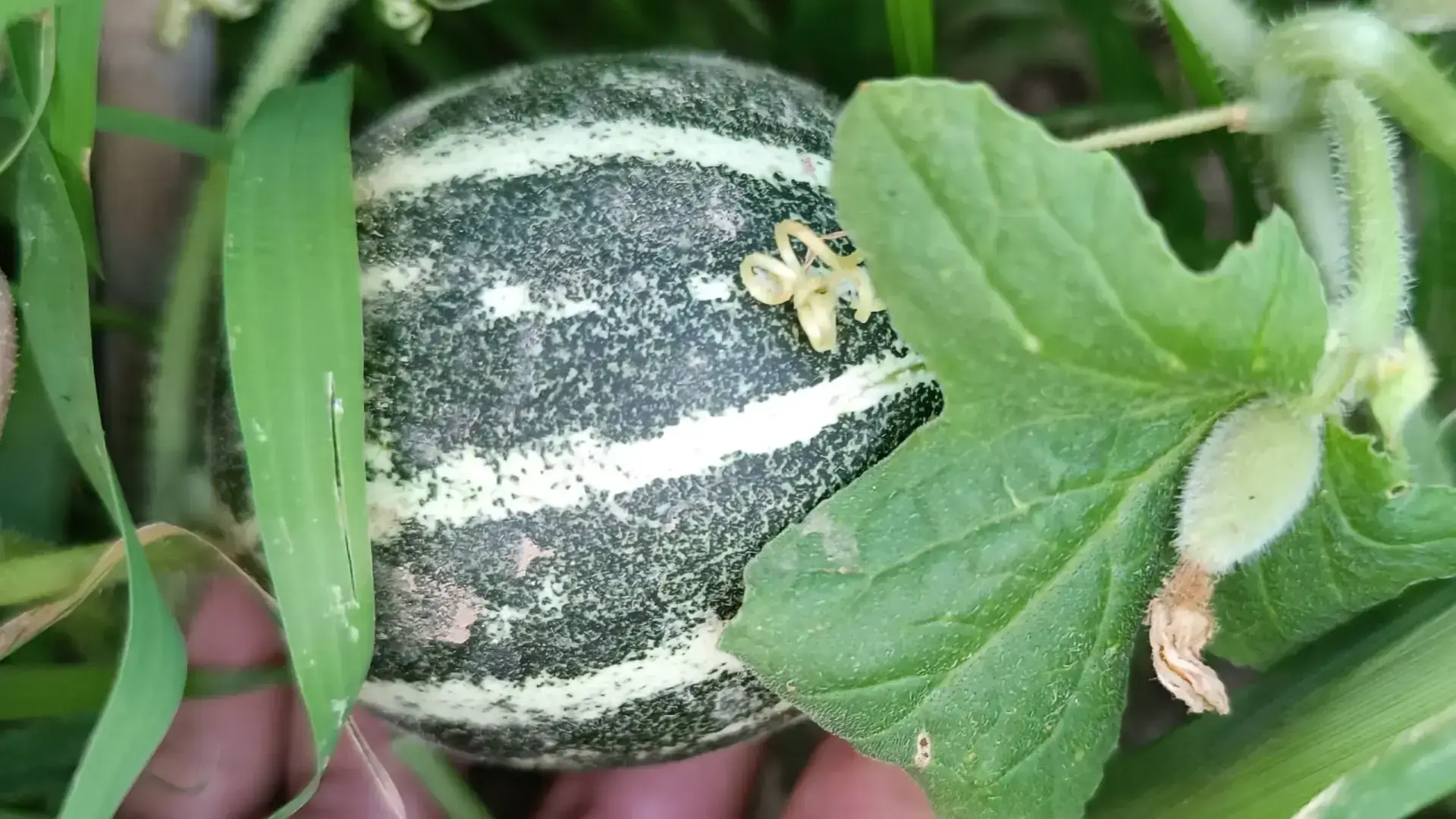
Its main attraction is its small fruits, with a characteristic tiger-striped color, displaying stripes in yellow and mahogany tones or intense orange with yellow stripes. The flesh can be crisp white, creamy, or dark orange, with a buttery texture and a very intense aroma. Its flavor is unique: sweet and juicy, with a slightly acidic touch reminiscent of pineapple, banana, or pear.

Each fruit weighs between 100 and 250 grams, and a single plant can produce 20 to 30 melons per season. Flowering takes place in spring and summer.

History & Origin

The Ho Chi Minh melon is a traditional variety whose genetic roots lie in the pocket-type melons of Southeast Asia. It belongs to a lineage of melons selected for centuries in Vietnam for their exceptional adaptability to the monsoon climate, characterized by high humidity and constant temperatures. Historically, it was cultivated around Saigon (now Ho Chi Minh City) and in the fertile Mekong Delta.

It played a key role in local agriculture as a short-cycle crop, taking advantage of the season between rice harvests to obtain a refreshing fruit before the arrival of seasonal floods. Its introduction to the West is attributed to seed collectors who valued its pest resistance, ability to thrive in humid climates, and high aesthetic and gastronomic value.

Ideal Companions

CornBeanRadishMarigoldNasturtiumOregano

Avoid

PotatoCucumberZucchiniWatermelonGarlicOnion

Superfood

Melon is a fruit with a very high water content (92%) and very low in calories, being an excellent option for hydration. It is a good source of vitamin C, which strengthens the immune system and skin health, and vitamin A, important for vision. It also provides potassium, an essential mineral for proper muscle and nerve function. Its fiber content helps regulate intestinal transit.

Preservation

Once harvested, the Ho Chi Minh melon keeps in the refrigerator for about a week. It is recommended not to wash it until consumption to preserve its skin and prevent fungal growth. For longer storage, the flesh can be cut into pieces and frozen, ideal for smoothies or sorbets.

Pest Monitoring

Pay special attention to: Aphid, whitefly, red spider mite, downy mildew.

FAQ

Is it difficult to grow

No, it is a surprisingly resistant variety, especially to humidity and common diseases of other cucurbits. Following basic care of sun, watering, and soil, it is an excellent option for both beginners and experienced farmers in warm climates.

How to know when it is ripe and ready to harvest

Ripeness is recognized by its intense sweet aroma and because the fruit-stem junction begins to crack. The rind acquires its characteristic color. Harvest by cutting the peduncle with scissors, without pulling the plant, and consume quickly to enjoy its best flavor.

Can it be grown in a pot

Yes, due to its small fruit size. A large, deep pot (minimum 30-40 liters), good substrate, a trellis to climb, and plenty of direct sunlight are needed.

Notas

It is ideal for warm and humid climates and can be grown in family gardens or commercially in tropical or subtropical climates. It withstands bad weather and adverse conditions well, maintaining good fertility and early maturity. It is also known as Pineapple Americano, Grandpa Ho Chi Minh's Gift, and Sweets Pantry. Early melon with decorative purposes, often used to decorate fences.