Purple Sage (Salvia officinalis 'Purpurascens') - Complete Guide Purpurascens

Purple Sage (Salvia officinalis 'Purpurascens') - Complete Guide

Variety: Purpurascens

Salvia officinalis 'Purpurascens'

About this Crop

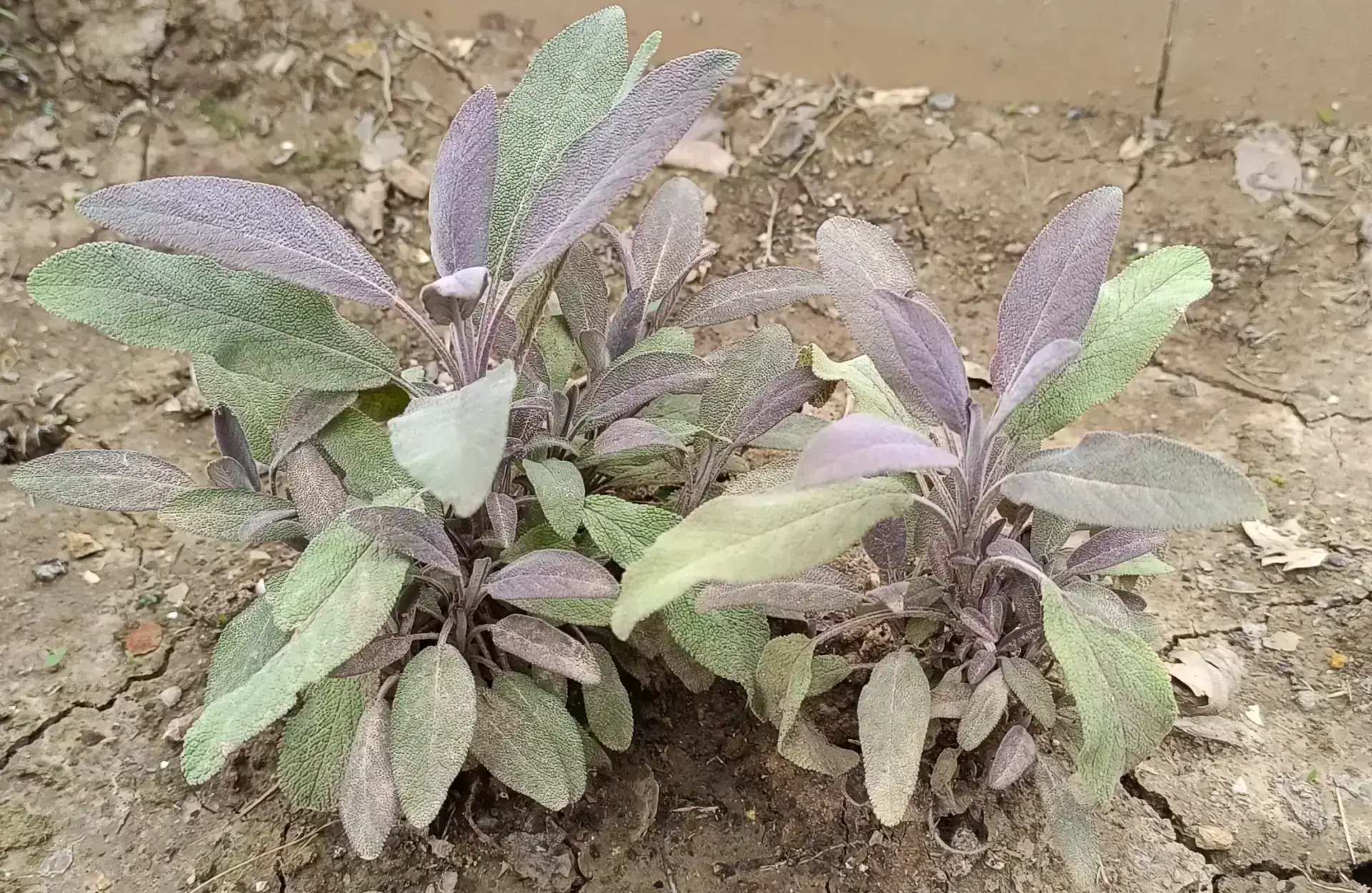
Purple Sage, also known as purple sage or purple-leaved sage, is an ornamental and culinary variety of common sage (Salvia officinalis), characterized by its velvety leaves of violet and purple tones due to a high concentration of anthocyanins. It is the sage variety that best preserves its purple color throughout the year.

It is a woody perennial subshrub of the Lamiaceae family, the same as rosemary, thyme, and lavender. It reaches between 40 and 60 cm in height and width, with branched stems that become woody with age. The leaves are oblong, wrinkled, and velvety to the touch, of a greyish-green color with intense purple tones, especially in new shoots and leaves exposed to the sun. In spring, it produces purple-violet lipped flowers that attract bees and butterflies.

Its value is triple: culinary (the same warm, earthy flavor of common sage), ornamental (for its striking purple foliage), and medicinal (antiseptic, digestive, and anti-inflammatory properties). It is a slow to moderate growing plant that can live 4-5 years in the garden before needing renewal.

History & Origin

Sage (Salvia officinalis) is one of the oldest medicinal and culinary plants of humanity. Its generic name Salvia comes from the Latin salvare, meaning "to save" or "to heal", reflecting its millennia-old reputation as a healing plant. The Egyptians valued it for its fertile properties and used it in funerary rituals. The Greeks and Romans considered it a sacred herb —the Romans called it herba sacra and performed special ceremonies for its harvesting.

In the Middle Ages, sage was cultivated in all European monasteries and was an essential ingredient in domestic medicine. Charlemagne ordered its cultivation on all imperial estates. In the Renaissance, the English botanist John Gerard already documented purple-leaved sage varieties in his Herball of 1597, demonstrating that the Purpurascens variety has been cultivated for over 400 years.

The ancient Latin proverb Cur moriatur homo cui Salvia crescit in horto? ("Why should a man die who has sage growing in his garden?") reflects the belief in its healing powers and its association with longevity. Today, Purple Sage remains one of the most appreciated sage varieties for its ornamental beauty and culinary versatility.

Ideal Companions

RosemaryThymeLavenderOreganoCarrotStrawberryBeanCabbage

Avoid

CucumberFennelBasil

Superfood

Sage is an aromatic herb of high nutrient density used in small quantities. It is rich in vitamin K (one tablespoon provides more than 40% of the recommended daily intake), essential for blood clotting and bone health. It also provides vitamin B6, vitamin A, vitamin C, calcium, iron, magnesium, and manganese. It contains bioactive compounds such as rosmarinic acid, carnosic acid, camphor, and 1,8-cineole, with antioxidant, anti-inflammatory, and antimicrobial properties. Traditionally, it has been used to relieve digestive problems, sore throats, and menopausal hot flashes.

Preservation

Fresh sage leaves keep in the refrigerator for up to 2 weeks wrapped in slightly damp paper towels inside a perforated plastic bag. For long duration, the leaves can be dried by hanging them in bunches in a dark, dry, and ventilated place —sage is one of the herbs that best preserves its flavor and aroma when dried. They can also be frozen whole in an airtight bag or chopped in olive oil ice cubes. The flowers are also edible and can be used as decoration in salads.

Pest Monitoring

Pay special attention to: Aphid, whitefly, red spider mite, powdery mildew.

FAQ

Why is my sage losing its purple color

The most common cause is lack of direct sun. Purple Sage needs at least 6 hours of daily sun to maintain its purple tones. It may also be due to excess nitrogen in the soil or because the plant is a cutting from an unstable variety.

Can it be grown in a pot

Yes, it is ideal for large pots of at least 30 cm diameter with good drainage. Use sandy substrate mixed with perlite and avoid a saucer under the pot to prevent water accumulation.

Can it be reproduced by seeds

Technically yes, but the seeds of Salvia officinalis do not produce the Purpurascens variety. To preserve purple foliage, it must be propagated by cuttings. Only this guarantees the same characteristics as the mother plant.

How often should it be watered

Sage prefers drought over excess water. Water only when the soil is dry to the touch, approximately every 7-10 days in summer and every 15-20 days in winter. It is always better to under-water than over-water.

Notas

Purple Sage is one of the sage varieties that best preserves purple color throughout the vegetative cycle, unlike other varieties such as 'Tricolor' or 'Icterina' that only show color in new shoots. Due to its thujone content, a neurotoxic compound in high doses, it should not be consumed in large quantities or for prolonged periods without supervision. Pregnant women, nursing mothers, or people taking anticoagulant medication should consult a professional before medicinal consumption. The Italian saying «Perché muore l'uomo quando la salvia cresce nell'orto?» reflects the tradition that associates sage with health and longevity.