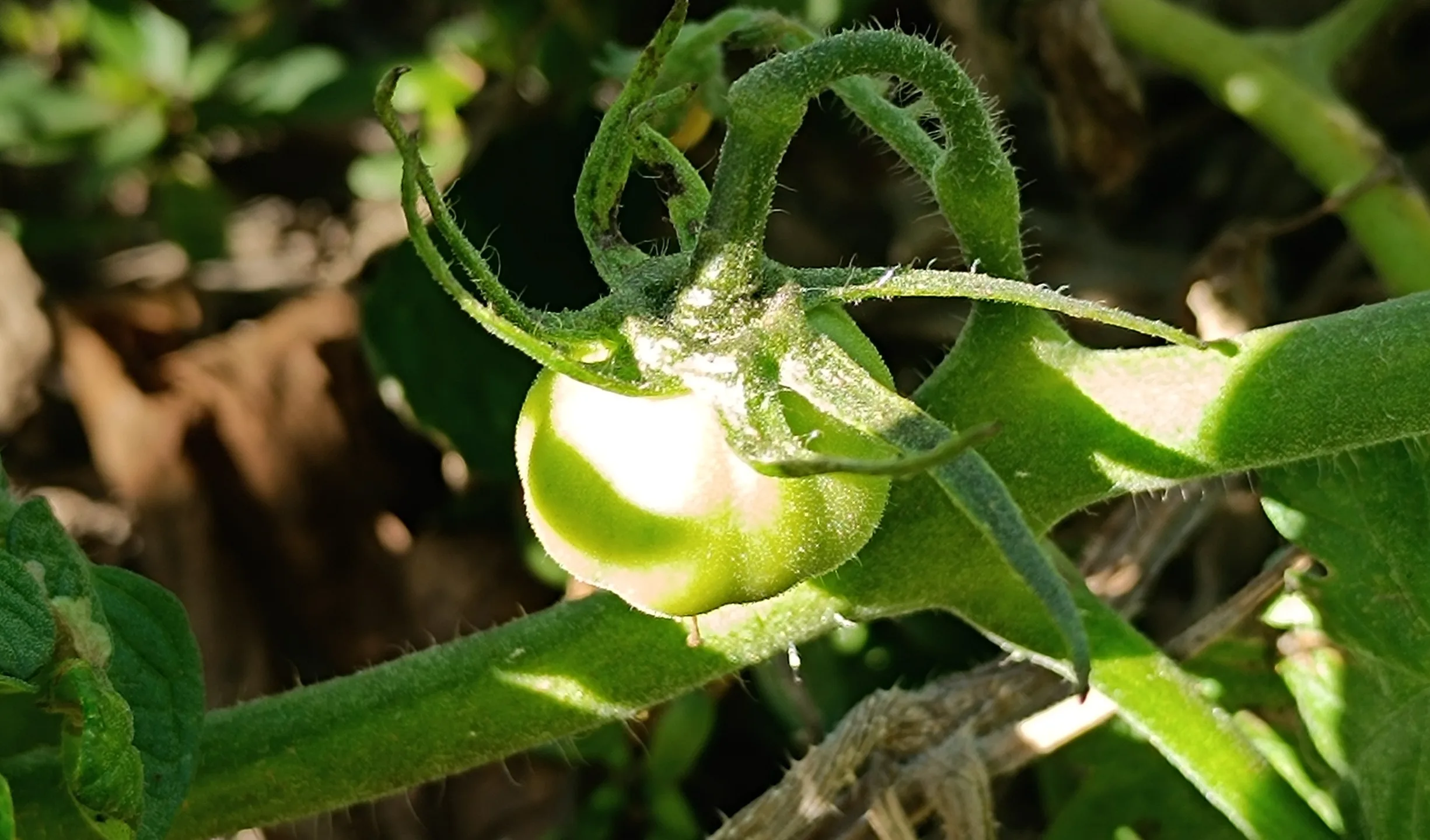
Gregori’s Altai Tomato Gregori’s Altai

Gregori’s Altai Tomato

Variety: Gregori’s Altai

Solanum lycopersicum L.

About this Crop

Gregori’s Altai is an open-pollinated variety of Solanum lycopersicum, also found under the spellings Gregory’s Altai and Gregori Altai. The vigorous, indeterminate plant keeps growing and producing through the season and needs sturdy support. It bears large, slightly flattened beefsteak tomatoes ranging from pink to rosy red. Fruits typically weigh 225–340 g, though size depends on growing conditions. The flesh is meaty and juicy, with a sweet flavour balanced by gentle acidity.

It is considered relatively early for a large-fruited tomato: seed listings give about 67–78 days to maturity, with differences between suppliers and conditions. Gardener Craig LeHoullier describes it as one of High Altitude’s 1991 introductions, originating in the Altai region. Tomato plants are frost-sensitive, but this variety has become popular with growers in short-season areas.

History & Origin

Gregori’s Altai was circulated among the high-altitude tomato varieties introduced by High Altitude Seed Company in 1991. Seed saver and gardener Craig LeHoullier grew it that year and described an indeterminate plant, early for its size, with medium-to-large pink fruit and a sweet flavour. Commercial sources place its origin in the Altai mountain region near the Siberian-Chinese border. No more detailed, documented account identifies who maintained the line before its commercial distribution.

The tomato species originated in South America and was domesticated in Mesoamerica before reaching Europe in the sixteenth century. Gregori’s Altai is a modern open-pollinated variety within that species.

Ideal Companions

BasilCalendulaGarlicOnionParsleyCarrot

Avoid

PotatoEggplantPepperOther tomatoesFennel

Superfood

Like other pink tomatoes, Gregori’s Altai consists mostly of water and provides small amounts of energy, fibre, potassium and vitamin C. It also contains carotenoids, including lycopene, and phenolic compounds. Exact levels vary with ripeness and growing conditions; no published nutritional analysis specific to this cultivar was found.

Preservation

Storage depends on ripeness. Sound, firm fruit can be kept for a few days at room temperature, out of direct sunlight. Refrigeration dulls the aroma and can soften the flesh, so chill only very ripe or cut fruit and use it promptly. A surplus can be cooked into sauce and frozen, or preserved using a tested acidified recipe. Large ripe tomatoes bruise easily, so avoid stacking them.

Pest Monitoring

Pay special attention to: aphids, whiteflies, spider mites, late blight, early blight, tomato leafminer (Tuta absoluta).

FAQ

Is Gregori’s Altai an early variety?

Yes. It is considered relatively early for a beefsteak tomato. Catalogues give about 67–78 days to maturity, although timing varies with the climate and when each supplier starts counting.

What size and colour are the fruits?

They are usually large, about 225–340 g, with a beefsteak shape and pink to rosy-red skin. Size varies with growing conditions and the plant’s fruit load.

Does the plant need support?

Yes. It is indeterminate and grows throughout the season. A sturdy stake installed at transplanting supports the stem and heavy trusses.

Can its seeds be saved?

Yes. It is open-pollinated. To maintain the variety, save seed from healthy fruit and prevent flowers from crossing with nearby tomato cultivars.

Why does the fruit crack?

Heavy rain or watering after a dry spell can make fruit take up water quickly and split. Keeping soil moisture more even and harvesting ripe fruit helps reduce losses.

Notas

Gregori’s Altai is the most common catalogue spelling, though Gregory’s Altai and Gregori Altai also appear. The catalogues consulted differ on maturity, listing 67 to 78 days, so a range is given rather than a single exact figure. It is open-pollinated, not an F1 hybrid.