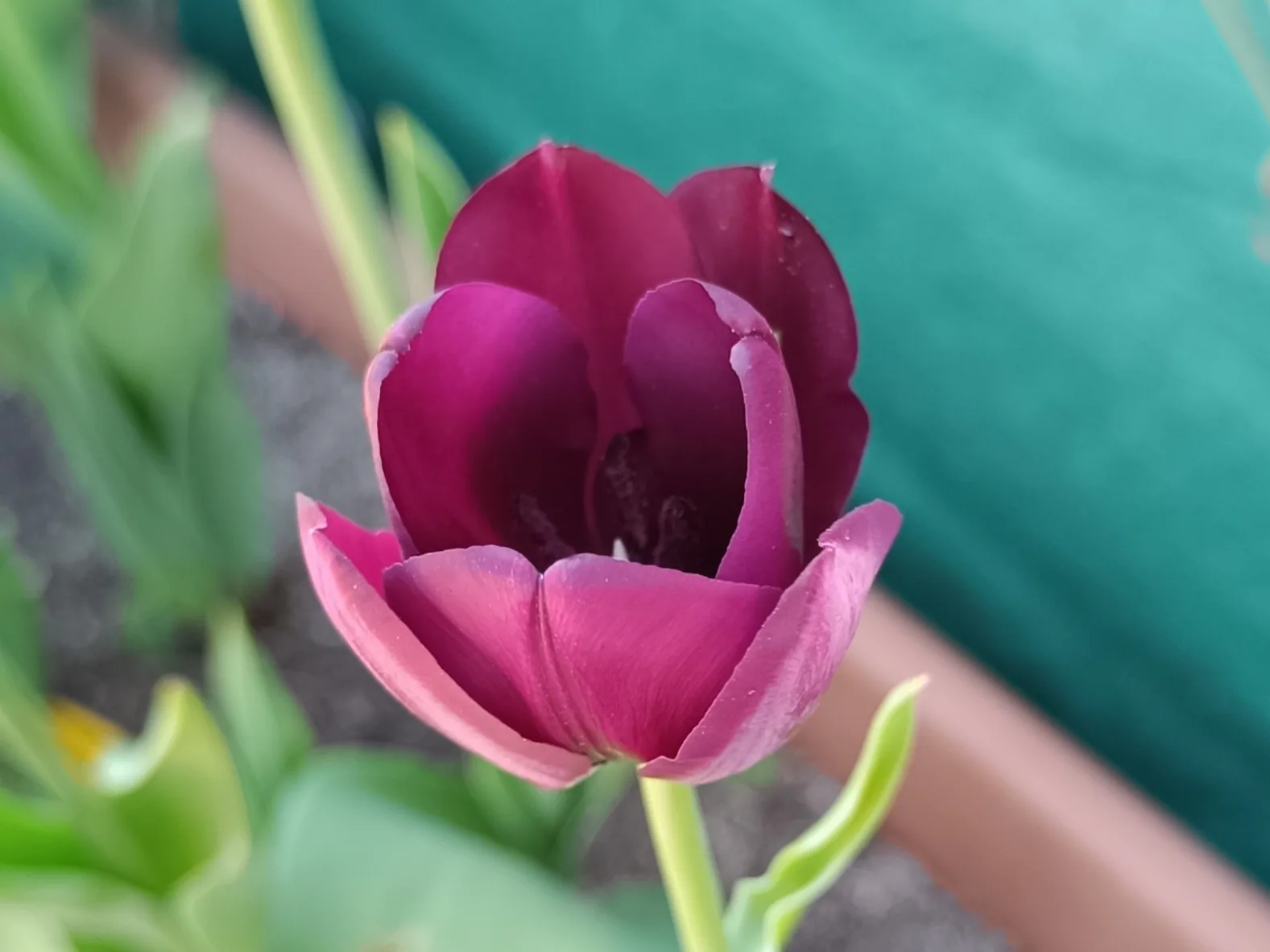
Darwin Hybrid Tulip - Complete Guide Darwin hybrid group

Darwin Hybrid Tulip - Complete Guide

Variety: Darwin hybrid group

Tulipa × gesneriana, Darwin Hybrid horticultural group

About this Crop

Darwin hybrids are ornamental bulb tulips known for large flowers, strong stems, and good performance in gardens and vases. The group contains many commercial cultivars with different colours, heights, and flowering times. Flowers are usually cup- or egg-shaped, 30 to 60 cm above broad, blue-green leaves.

The group is horticultural rather than a single botanical variety. Modern Darwin hybrids descend from late-flowering Darwin tulips crossed with early-flowering Tulipa fosteriana.

History & Origin

Tulips have horticultural roots in Central Asia, Anatolia, and the Ottoman world, not only the Netherlands. Carolus Clusius planted tulips in Leiden in 1593, helping establish Dutch bulb culture. Seventeenth-century speculation produced the famous tulip mania, but cultivation continued afterward.

Darwin hybrids were developed much later. Dutch breeder Dirk Lefeber crossed old late-flowering Darwin tulips with Tulipa fosteriana. The resulting vigorous, large-flowered plants became commercially recognised in the mid-twentieth century. Some cultivars return for several years, but climate, drainage, and summer conditions strongly affect persistence.

Ideal Companions

CalendulaPansyForget-me-notGarlicOnionThyme

Avoid

Waterlogged soilheavy wateringdense plantingareas with diseased tulips

Superfood

This is an ornamental plant, not a food. Bulbs contain irritating and toxic compounds, including tuliposides that can form tulipalin. Never cook or feed ornamental bulbs to people or animals.

Preservation

Store bulbs in a dry, dark, ventilated, cool place until autumn planting. Do not seal them with ripe fruit. Discard soft, wet, smelly, or badly spotted bulbs. For cut flowers, harvest as buds begin to show colour and keep stems in clean water.

Pest Monitoring

Pay special attention to: Voles, mice, aphid, slug, snail, Botrytis tulipae, basal rot.

FAQ

**Do Darwin hybrids return every year?** Some do in well-drained soil and relatively dry summers, but performance varies.
**When are bulbs planted?** Usually September to December, as temperatures fall.
**Do they need direct sun?** Yes, for strong stems and abundant flowers.
**Can they grow in pots?** Yes, with drainage, fertile medium, and 10 to 15 cm of cover.
**Are black tulips truly black?** No; they are usually very dark purple, maroon, or brown.

Notas

Darwin hybrids provide large spring flowers in many colours. They can be planted at bed edges or around fruit trees if clearly separated from edible crops. The bulbs are toxic, especially to pets and children.