Golden Berry (Cape Gooseberry) - Complete Growing and Care Guide Common

Golden Berry (Cape Gooseberry) - Complete Growing and Care Guide

Variety: Common

Physalis peruviana

About this Crop

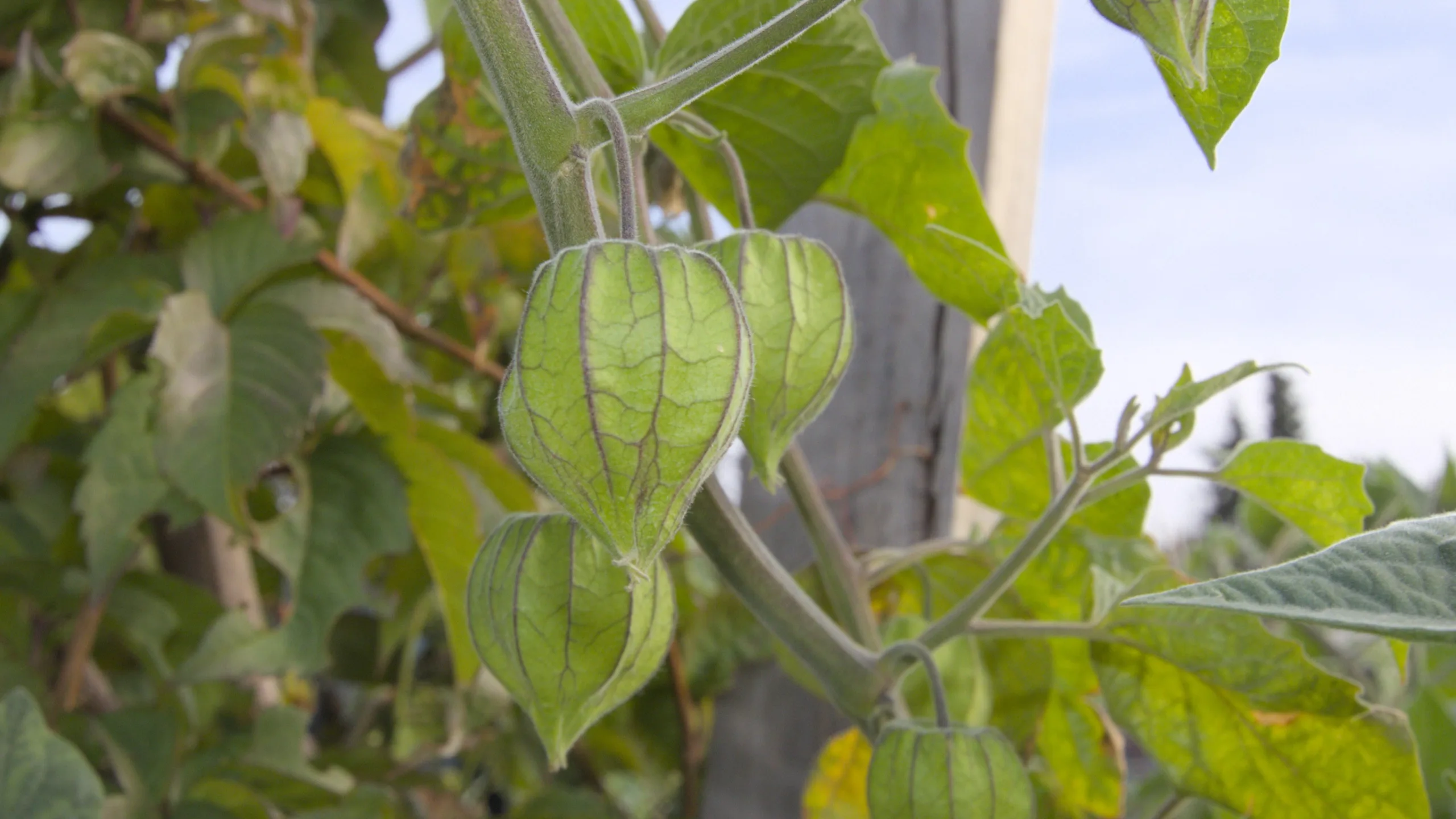
The golden berry (Physalis peruviana), also known as Cape gooseberry, uchuva, aguaymanto, physalis, ground cherry or Inca berry, is a fruit-bearing plant of the Solanaceae family native to the South American Andes, where it has been cultivated since pre-Columbian times. It produces small, round berries of an intense golden yellow colour, wrapped in a delicate papery calyx (husk) that protects them like a natural Chinese lantern.

It is a perennial shrubby plant grown as an annual in temperate climates. It reaches 1 to 2 metres in height, with branching stems, heart-shaped, downy leaves, and yellow flowers with purple blotches in the centre. The fruits, the size of a large cherry or cherry tomato, ripen inside their characteristic husk, which changes from green to golden brown when ready.

The flavour of the golden berry is unique and complex: a blend of sweet and tart with tropical notes reminiscent of pineapple, strawberry and tomato. It is highly prized in international haute cuisine as a decorative and contrasting element.

History & Origin

The golden berry is native to the Andes of Peru, Bolivia, Colombia and Ecuador, where it grows wild between 1,500 and 3,000 metres above sea level. It was cultivated by the Incas and other pre-Columbian cultures, who valued it both for its flavour and its medicinal properties. With the arrival of the Spanish, the golden berry travelled to Europe and later to South Africa, Australia and New Zealand.

In South Africa, where it has been grown commercially since the 19th century, it is known as Cape gooseberry and is a traditional ingredient in jams and preserves. In Europe, it was for a long time an ornamental garden plant before being rediscovered as an eating fruit by haute cuisine. Today, Colombia is one of the world's leading exporters, and the «golden berry» has become a trendy superfood.

In Spain, the golden berry is still a relatively rare crop in home gardens, but it is gaining popularity among growers looking to diversify with exotic fruits suited to warm climates.

Ideal Companions

CornLegumesCalendula

Avoid

PotatoTomatoEggplantPepper

Superfood

The golden berry is a fruit of high nutritional value: rich in vitamin A (beta-carotenes, responsible for its golden colour), vitamin C, B-group vitamins and minerals such as phosphorus, iron and calcium. It contains pectins, beneficial for digestion, and antioxidants such as phenolic compounds. Per 100 g it provides approximately 50 kcal and a good amount of fibre.

Preservation

Golden berries, thanks to their natural protective husk, keep exceptionally well. At room temperature, inside the husk, they last 3-4 weeks. In the fridge, up to 2-3 months. They can be dehydrated for use as golden raisins, frozen whole, or made into jams and preserves. De-husked fruits should be eaten within 2-3 days.

Pest Monitoring

Pay special attention to: Whitefly, flea beetle, red spider mite, powdery mildew.

FAQ

Does it tolerate frost?

No. The golden berry is frost-sensitive (< 0 °C). In areas with cold winters it is grown as an annual or protected in a greenhouse. In frost-free areas it can live for several years as a perennial shrub.

How many berries does one plant produce?

A healthy, well-developed plant can produce several hundred fruits over the season. The harvest is staggered: fruits are collected as they drop ripe to the ground.

Is the husk edible?

No. The calyx is dry and papery, not edible. It is removed before eating the fruit. It acts as a natural wrapper that protects the berry.

How do you tell when it's ripe?

The indicator is the husk: when it dries out and turns golden brown, the fruit inside is ready. Fully ripe fruits usually drop to the ground. Pick them up and check for the intense golden colour of the berry.

Notas

The golden berry is one of those plants every curious gardener should try at least once. It is easier to grow than it looks, its productivity is astonishing, and the experience of unwrapping each little golden gift from its husk is one of those simple pleasures that reconnect you with the earth. What's more, its extraordinary natural keeping ability makes it a perfect fruit for having reserves for months without needing a fridge.